Insulin & Glucagon Dynamics
Overview of Hormonal Regulation
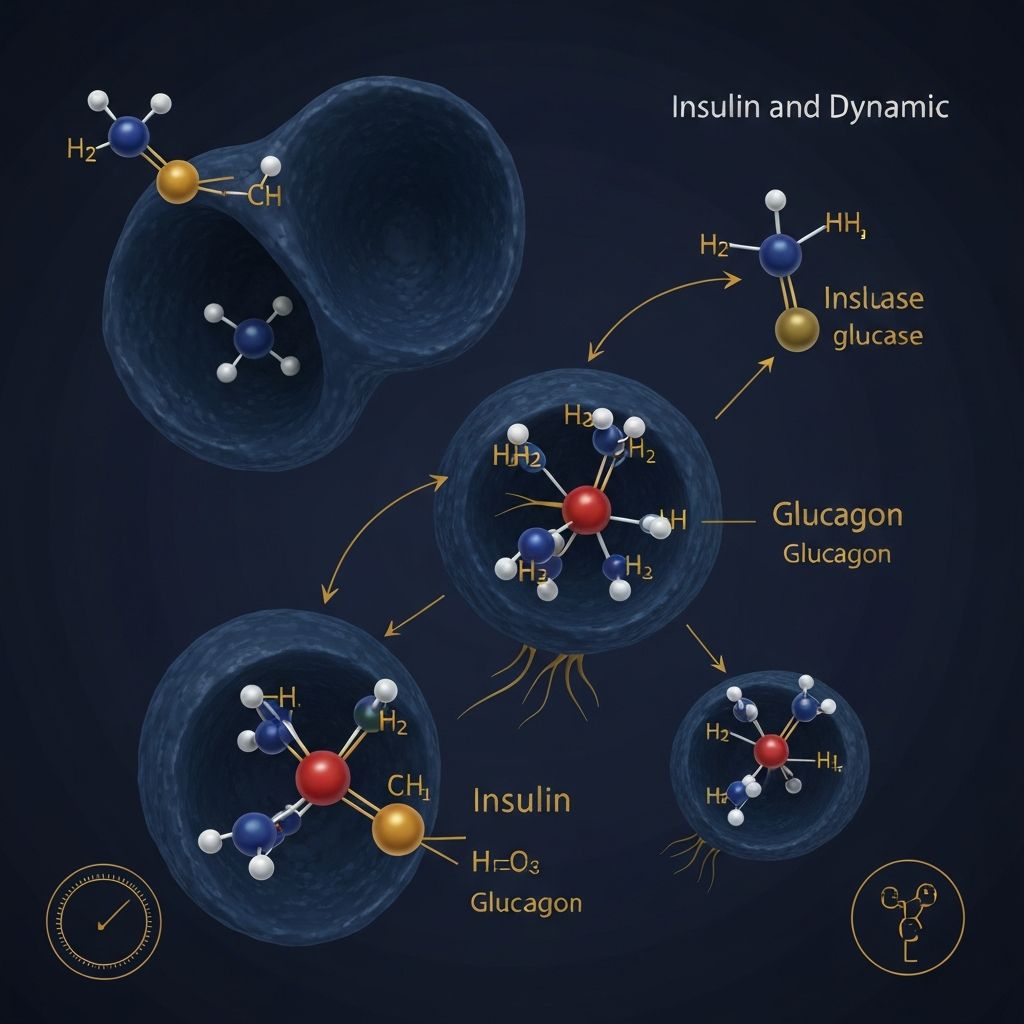
Insulin and glucagon are two key hormones that work in coordinated opposition to regulate blood glucose levels and energy storage. These hormones exemplify how the body maintains metabolic homeostasis through hormonal signalling.
Insulin Function
Insulin is secreted by pancreatic beta cells in response to elevated blood glucose levels following food consumption. This hormone facilitates the movement of glucose from the bloodstream into cells for energy or storage.
Insulin's effects include promoting glucose uptake in muscle and adipose tissue, stimulating glycogen synthesis in the liver, and enhancing lipid storage. Research documents how insulin sensitivity and secretion vary across individuals and can change with metabolic conditions.
Glucagon Function
Glucagon is secreted by pancreatic alpha cells when blood glucose levels decline between meals. This hormone stimulates the breakdown of stored glycogen and the production of new glucose through gluconeogenesis.
By raising blood glucose, glucagon ensures that sufficient glucose is available for cellular functions and brain energy needs during fasting states. The glucagon response involves multiple metabolic pathways and is influenced by various physiological factors.
Coordinated Regulation
Insulin and glucagon work in opposing but coordinated fashion to maintain glucose homeostasis. When one is elevated, the other is typically suppressed, creating a balance that adapts to the body's energy status.
This hormonal system responds dynamically to changes in nutrient availability, activity level, and metabolic state. Research demonstrates that this regulation is complex and involves feedback mechanisms spanning multiple metabolic pathways.
Factors Affecting Hormone Secretion
Multiple factors influence insulin and glucagon secretion including blood glucose concentration, amino acid levels, fatty acid availability, and various hormonal signals. The sympathetic nervous system also modulates these hormonal responses during stress or physical activity.
Individual variation in hormonal response to identical nutritional stimuli is well-documented in research, reflecting differences in insulin sensitivity, pancreatic function, and metabolic adaptation.
Research Context
Scientific studies describe insulin and glucagon dynamics in various metabolic states including fed, fasting, and exercise conditions. This research provides mechanistic understanding of how hormones regulate nutrient utilisation and energy storage at the physiological level.