Muscle Protein Synthesis
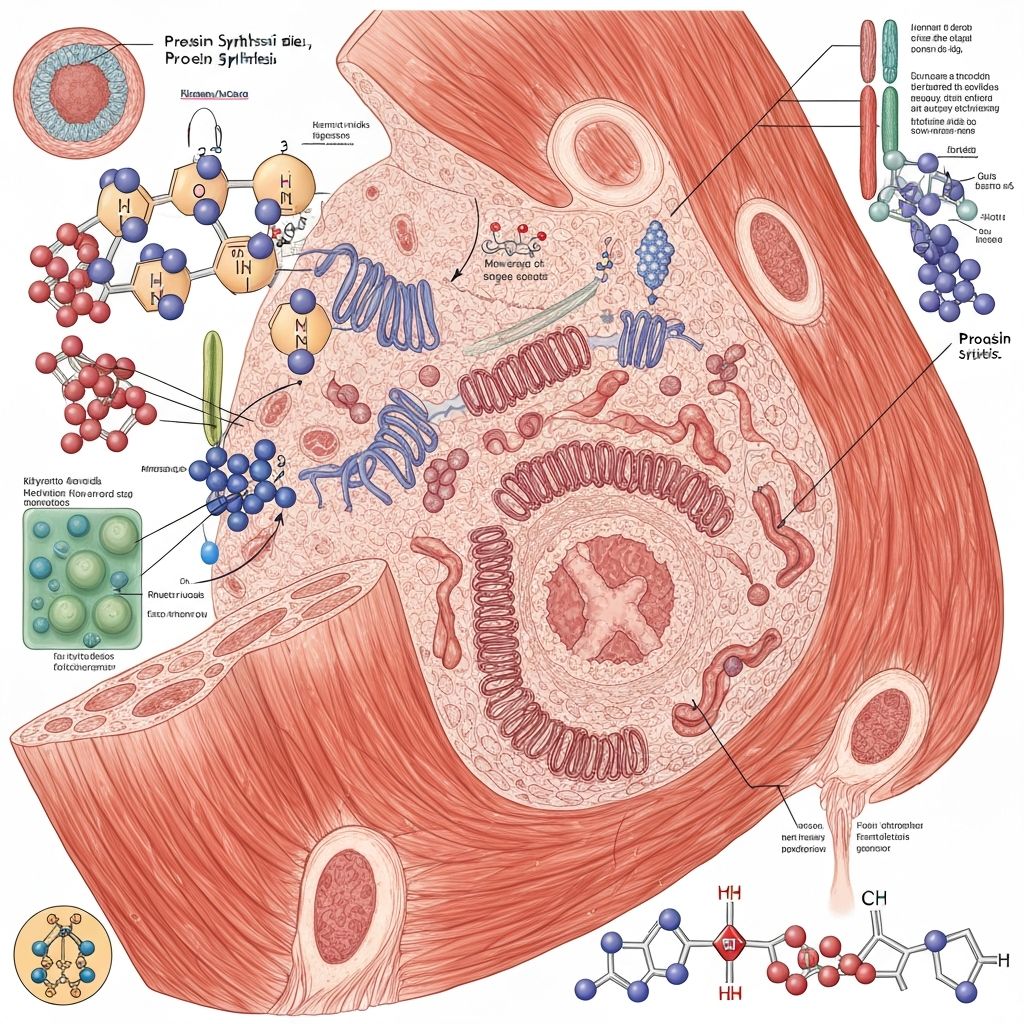
Understanding Protein Synthesis
Muscle protein synthesis represents the process by which muscle tissue constructs new protein molecules. This process is central to how muscle tissue maintains and builds its structure in response to various physiological demands.
The Synthesis Process
Muscle protein synthesis involves the translation of genetic information into functional protein molecules. This process occurs on ribosomes and utilises amino acids derived from dietary protein and endogenous sources.
The rate of muscle protein synthesis is not constant but fluctuates throughout the day in response to various stimuli including nutrient availability, physical activity, and hormonal signals. Research demonstrates that protein synthesis rates increase following protein consumption and mechanical stimulation.
Nutritional Triggers
Amino acid availability, particularly the essential amino acids, plays an important role in stimulating muscle protein synthesis. Research shows that protein intake triggers an increase in muscle protein synthesis rates, though the magnitude and duration of this response varies across individuals.
The timing, amount, and composition of protein consumed influence the synthetic response. Scientific studies document these relationships though individual responses show considerable variation.
Physical Activity Role
Mechanical stimulation from physical activity is a potent trigger for increased muscle protein synthesis. The combination of physical activity stimulus and amino acid availability creates conditions for net muscle protein accretion.
Research describes how different types of activity—particularly resistance exercise—influence protein synthesis rates and muscle tissue adaptations over time.
Hormonal Influences
Hormonal factors including insulin, growth hormone, and thyroid hormones influence muscle protein synthesis rates. These hormones interact with nutritional and activity factors to determine the overall anabolic environment.
Individual differences in hormonal sensitivity and responsiveness contribute to variation in how muscle tissue responds to identical nutritional and activity stimuli.
Research Context
Scientific studies on muscle protein synthesis provide mechanistic understanding of how muscle tissue responds to various stimuli. However, this research demonstrates that translating laboratory findings to individual outcomes involves considerable complexity and individual variation.